How Feeling-Tones Can Change Your Life!
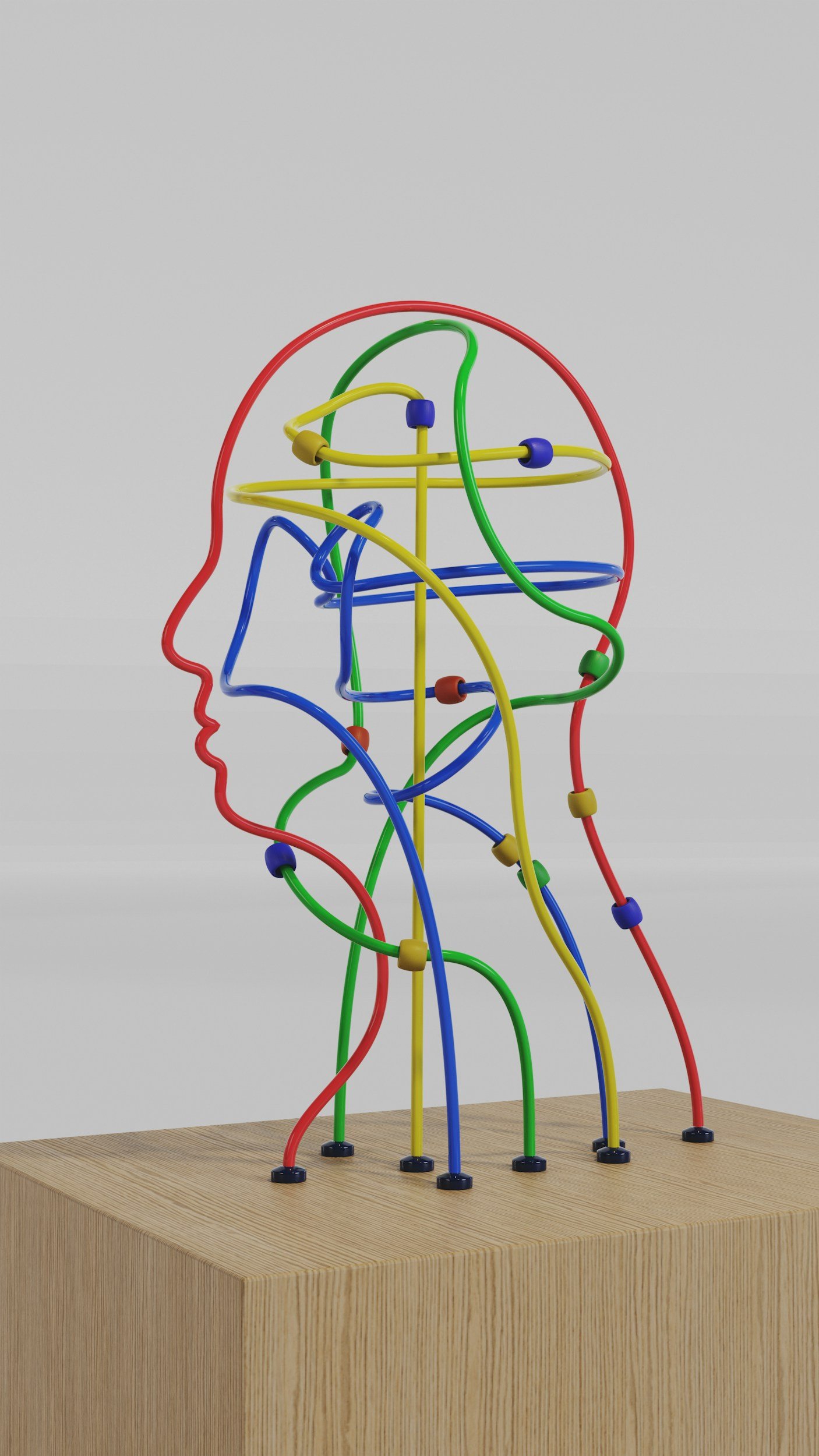
In this month’s blog exploring the book and course “Deeper Mindfulness” by Mark Williams and Danny Penman, we focus on the feeling-tones of each moment in a bit more detail. We also hang out with two seemingly counter-intuitive ways of noticing - slowing down (rather than avoiding) and noticing (rather than describing, embellishing and spiralling).
Why You Feel What You Feel: Mindfulness, “Feeling Tones,” and Finding a Little More Choice
Have you ever noticed how quickly your mood can shift—sometimes for reasons that don’t quite make sense?
>A message notification arrives and it feels irritating… until later, when the same sound feels comforting.
>A memory surfaces and suddenly your whole day tilts.
>A small moment spirals into something much bigger before you even realise what’s happening.
In therapy and mindfulness practice, there’s a simple but powerful idea that helps make sense of this. It’s called feeling tone.
What is a “feeling tone”?
Before we have a full emotion—before anxiety, joy, sadness, or anger—there’s a quieter, faster signal.
It’s the mind’s immediate impression of an experience as:
pleasant
unpleasant
or neutral
This happens instantly, automatically, and often outside of awareness.
You don’t think it—you feel it.
And while it’s subtle, it plays a surprisingly big role in what happens next.
The hidden moment that shapes everything
Imagine watching your mind like a slow-motion film.
A sensation appears.
Then, almost instantly, it’s tagged as pleasant or unpleasant.
Then comes the reaction:
reaching for more of what feels good
pushing away what feels uncomfortable
or drifting into boredom when nothing stands out
This all unfolds incredibly quickly—so quickly that we usually skip straight to the reaction and miss the earlier steps entirely.
But that “in-between” moment—the feeling tone—is often where things start to snowball.
Why small moments can turn into big spirals
When something feels unpleasant, the mind tends to resist it.
When something feels pleasant, the mind tends to cling to it.
That sounds harmless enough, but here’s the catch:
These reactions can set off chains of thoughts and emotions that last far longer than the original moment.
A brief irritation becomes a bad mood.
A passing worry becomes hours of overthinking.
A memory becomes a whole story about who you are.
It’s not just what happens to us—it’s how our mind responds in those first moments that shapes our experience.
A familiar pattern in real life
In therapy, this often shows up in small, everyday moments.
A client once described getting a short reply to a message from a friend. Nothing obviously wrong—just brief. But almost instantly, something felt off. That subtle unpleasant feeling tone sparked a thought: “They’re annoyed with me.”
Within minutes, this grew into a stream of self-doubt: “I’ve said something wrong… I always do this… maybe they don’t really like me.”
By the end of the evening, their mood had completely shifted. The friendship itself hadn’t changed—but the chain reaction had.
When we slowed it down together, what stood out wasn’t the message itself, but that first fleeting moment of “this doesn’t feel good”—and how quickly the mind moved to explain it.
The stories we tell ourselves
We’re all natural storytellers. Give the mind a fragment—an ache, a memory, a comment—and it can quickly build a full narrative.
Sometimes those stories are helpful.
But often, they lean toward self-criticism, worry, or blame.
And here’s something important:
It’s not always the past itself that causes distress—it’s how that past is activated in the present, through these moment-to-moment feeling tones and reactions.
In other words, the past echoes through how we experience now.
This is also something that happens in EMDR too: the past shows up in the present and then impacts the future.
So where does mindfulness come in?
Mindfulness doesn’t stop feeling tones from arising—you can’t control them.
But it does something just as powerful:
It helps you notice them.
And in noticing, something shifts.
Instead of being swept along automatically, you begin to see:
“This feels unpleasant”
“There’s an urge to push this away”
“This is where my mind usually spirals”
That awareness creates a small but meaningful pause.
A space where you can respond differently.
A gentler way of relating to your experience
With practice, you may begin to notice:
you’re less caught in spirals of thought
emotions pass a little more easily
you don’t have to react to every internal signal
you can be kinder to yourself when things feel difficult
It’s not about eliminating discomfort or always feeling calm.
It’s about understanding how your mind works—and finding more freedom within it.
A simple reflection to try
At some point today, pause and ask yourself:
What does this moment feel like—pleasant, unpleasant, or neutral?
No need to change anything. Just notice.
That small act of awareness is where mindfulness begins.
If you’re interested in exploring this more, feel free to contact us here at Rhizome Practice where we combine mindfulness based approaches with nervous system and brain based approaches (such as EMDR, Schema Therapy and Compassion Focused Therapy).